
Ear Irrigation – What You Need to Know
Ear irrigation is a common method used to remove excess earwax by gently flushing the ear canal with warm water. It has been used for many years to help relieve symptoms caused by wax build-up.
What is Ear Irrigation?
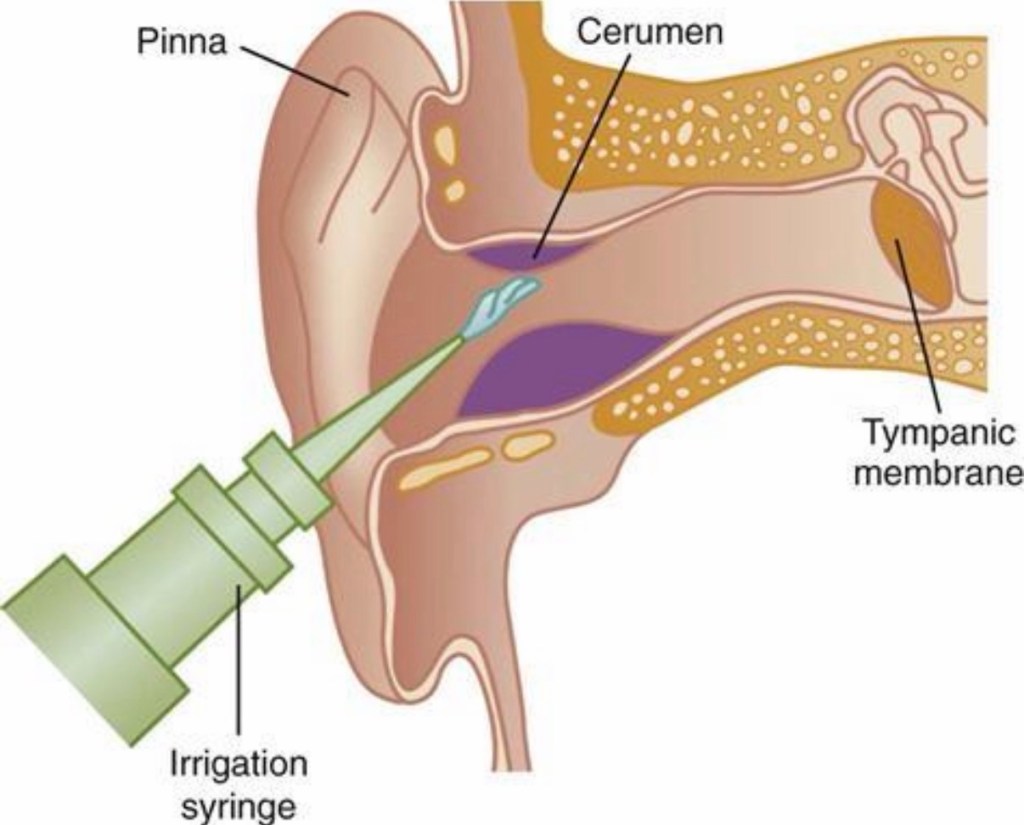
Ear irrigation involves directing a controlled flow of warm water into the ear canal to soften and wash out earwax. The procedure is typically carried out using a specialised irrigation device by a trained professional.
Benefits of Ear Irrigation
• Effective for soft wax removal
• Quick and straightforward procedure
• Can improve hearing and comfort
Who Might Need It?
Ear irrigation may be suitable if you experience:
• Blocked ears
• Reduced hearing due to wax build-up
• Ear discomfort
• A feeling of fullness in the ear
What to Expect During Your Appointment
1. Initial assessment of your ears and symptoms
2. Advice on whether irrigation is suitable for you
3. Gentle flushing of the ear with warm water
4. Post-treatment check to ensure wax removal
The procedure usually takes around 15–20 minutes.
Preparation
Before your appointment, you may be advised to use olive oil ear drops for 3–5 days to soften the wax and improve the effectiveness of the treatment.
Aftercare
• Keep ears dry for the rest of the day
• Avoid inserting objects into the ear canal
• Contact your clinician if you experience discomfort or symptoms persist
Is Ear Irrigation Safe?
Ear irrigation is generally safe when carried out by a trained professional. However, it may not be suitable for everyone, particularly those with:
• A history of ear infections
• A perforated eardrum
• Previous ear surgery
In some cases, alternative methods such as microsuction may be recommended.
 Hatfield Hearing Services